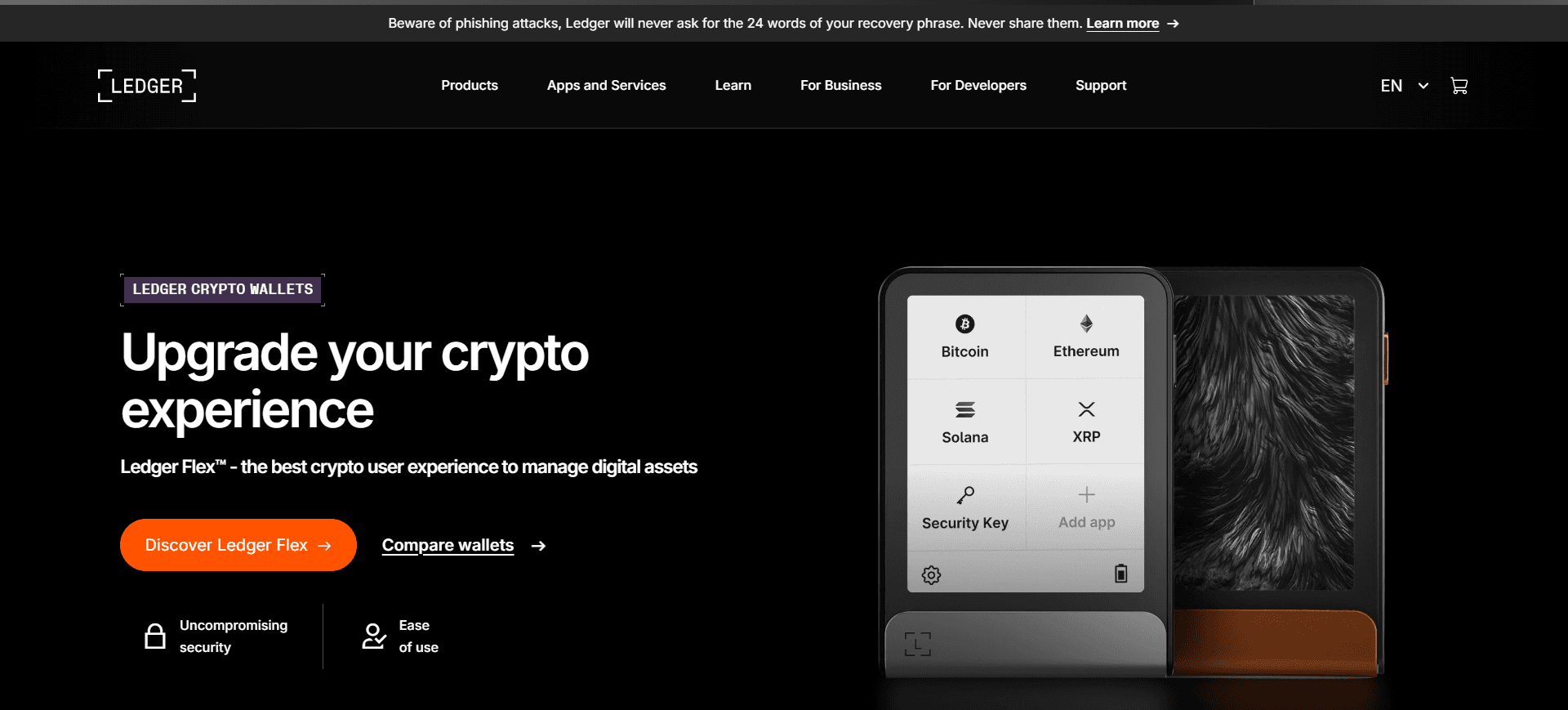
Ledger.com/start is the official onboarding destination for anyone beginning their journey with a Ledger hardware wallet. Whether you are using a Ledger Nano S Plus, Ledger Nano X, or another Ledger device, the purpose of this guidance page is to make the setup process simple, clear, and secure. In the world of digital assets, the first steps matter more than most people realize, and Ledger.com/start was designed to reduce confusion, minimize risks, and help users comfortably take control of their crypto through self-custody.
This long-form educational guide provides an in-depth explanation of what Ledger.com/start is, how it works, what steps it walks you through, what security principles it teaches, why hardware wallets matter, and how Ledger Live connects your device to the blockchain ecosystem. The content below is a detailed, plain-text explanation created to help users understand the common experience of setting up a Ledger device using Ledger.com/start.
Understanding the Purpose of Ledger.com/start
Ledger.com/start exists to give users a safe and official starting place. With the rise of phishing websites, fraudulent wallet providers, and unauthorized downloads disguised as legitimate tools, the need for a trusted, verified entry point is critical. Ledger created the Ledger.com/start hub so users can know exactly where to begin without uncertainty. From this starting page, users are guided to download Ledger Live, complete device initialization, learn essential safety tips, and begin managing their assets with confidence.
The onboarding flow emphasizes three main goals: setting up the hardware wallet properly, installing Ledger Live securely, and developing an understanding of the security model behind hardware-based self-custody. These goals form the foundation for safely interacting with digital assets.
What You Need Before Visiting Ledger.com/start
Before you begin the setup journey, you should have your Ledger hardware wallet, a compatible computer or smartphone, and access to the internet. The packaging usually includes the device, a USB cable, regulatory documents, and blank recovery sheets for writing down your recovery phrase. When following the instructions from Ledger.com/start, users are reminded to confirm that the device looks new, clean, and unaltered. Ledger devices do not come with pre-written recovery phrases, and any device that includes one should be considered unsafe.
The First Steps You Encounter at Ledger.com/start
When visiting Ledger.com/start, the simple layout quickly directs you toward installing Ledger Live, the official companion application. Ledger Live is the central hub for managing crypto accounts, installing apps on your device, updating firmware, and tracking your portfolio. The onboarding page helps ensure that users download Ledger Live only from official sources, rather than relying on search engines or third-party links.
By following the prompts, users proceed through a clear and organized flow. This includes powering on the device, selecting whether they are setting it up as a new device or restoring a wallet, choosing a PIN code, generating a recovery phrase, and confirming it. Each step is designed to support safe, independent control over digital assets.
The Ledger Live Application Explained
The guiding instructions at Ledger.com/start explain that Ledger Live is essential, even though the hardware wallet holds your private keys offline. Ledger Live does not store private keys; instead, it serves as a user interface that interacts with blockchain networks. When signing a transaction, the final approval happens on the Ledger device’s secure screen, ensuring that malicious software cannot silently change transaction details.
Ledger Live includes features such as account creation, portfolio viewing, asset sending and receiving, staking services, software updates, and app installation for supported blockchain networks. However, the security of private keys always remains inside the hardware wallet, never on your computer or phone.
Step-by-Step Setup Process as Presented Through Ledger.com/start
The setup process includes several important steps that Ledger.com/start helps guide you through.
Turning on the Device
You connect the Ledger wallet to your computer or phone using the provided cable or Bluetooth if supported. The device powers on, displays a welcome sequence, and instructs you to follow specific setup steps.Setting Up as New or Restoring an Existing Wallet
If this is your first time using Ledger, you select “Set up as new device.” If you previously used Ledger and have a recovery phrase, you can choose to restore it. Ledger.com/start reminds users never to enter their recovery phrase into websites, digital forms, or computers.Creating a PIN Code
The PIN protects access to your physical device. Ledger.com/start encourages users to choose a strong PIN, avoid sharing it, and ensure it is not easily guessable. Without the PIN, the device cannot be accessed.Generating the Recovery Phrase
One of the most important parts of the entire setup involves writing down the 24-word recovery phrase displayed on the device screen. This phrase can recover your entire wallet if your device is lost or damaged. Ledger.com/start stresses that this phrase should be written carefully, stored offline, and kept away from unauthorized access. It should never be photographed, typed, saved in digital storage, or shared with anyone.Confirming the Recovery Phrase
After writing the phrase on paper, the device will ask you to select the words in order to confirm accuracy. This prevents errors that could result in loss of access later. Confirmation also reinforces to the user that the seed phrase is generated only on the device.Downloading Ledger Live and Installing Apps
Once the device is initialized, Ledger Live directs users to install specific apps for the cryptocurrencies they intend to manage. These apps run on the hardware wallet and allow secure signing of transactions.Adding Crypto Accounts
After app installation, users add accounts inside Ledger Live. These accounts represent public addresses derived from the device’s private keys. Ledger.com/start explains that users can now receive, send, and manage assets safely.
Why Ledger Hardware Wallets Are Considered Secure
Ledger devices operate using a secure element chip designed to protect sensitive information from unauthorized exposure. Private keys never leave the device, and signing transactions requires physical confirmation through the device’s buttons. Ledger.com/start helps users understand that even if their computer has malware, transactions remain safe as long as the device itself is secure and users verify details on the hardware wallet screen.
The recovery phrase acts as the ultimate backup. Anyone with access to it can recreate the wallet elsewhere, so protecting it is essential. Ledger.com/start repeatedly reinforces that no employee, website, or app should ever ask for this phrase. Education around this principle dramatically reduces phishing-related losses.
How Ledger.com/start Helps Prevent Common Mistakes
Many new users entering the crypto space make avoidable errors. Ledger.com/start helps prevent these by educating users early. Some common mistakes include:
Downloading Ledger Live from unofficial websites
Entering the recovery phrase online
Believing support agents need their seed phrase
Using pre-written recovery sheets from resellers
Skipping verification of addresses before sending
Assuming PIN codes can restore wallets
Storing backup phrases digitally
Ledger.com/start clarifies these misunderstandings and helps establish safe behavior from the beginning.
Maintaining the Device After Setup
The instructions also remind users to keep firmware and apps updated. Ledger regularly releases improvements, security enhancements, and compatibility updates. Updates must be initiated through Ledger Live and confirmed on the device, so unauthorized updates cannot happen silently.
Users are also encouraged to periodically verify the integrity of their recovery phrase, ensure their PIN is secure, and store backups in reliable locations. Ledger.com/start emphasizes long-term responsibility, as self-custody requires personal diligence.
Introduction to Self-Custody and Crypto Security Principles
An important part of Ledger.com/start is teaching the concept of self-custody. Rather than depending on centralized exchanges or custodial platforms, users maintain full control of private keys. This means that funds cannot be frozen, seized, or lost due to exchange failures. With self-custody, control comes with responsibility. Ledger.com/start educates users about the relationship between hardware wallets, seed phrase protection, and digital independence.
Using Ledger Live After Initial Setup
Once setup is complete, users can begin sending and receiving cryptocurrency, viewing balance changes, exploring asset features, staking supported assets, and reviewing transaction history. Ledger Live allows users to interact with decentralized applications and services through integrated partner features, always ensuring that final transaction approval occurs on the hardware wallet.
Ledger.com/start continues to serve as a resource for learning additional features, troubleshooting issues, and exploring secure ways to interact with crypto ecosystems.
Why the Setup Process Matters
The process outlined at Ledger.com/start is essential because the earliest steps determine long-term safety. Many users who skip proper onboarding or rely on incomplete instructions expose themselves to unnecessary risks. By following the official setup path, users learn the correct workflow, develop an understanding of the security model, and ensure their hardware wallet is functioning as intended.
Conclusion
Ledger.com/start is an essential resource for anyone setting up a Ledger hardware wallet. It provides a structured, safe, and clear process for initializing the device, generating and securing a recovery phrase, installing Ledger Live, and beginning your journey with self-custody. The educational emphasis on security practices, such as protecting seed phrases, verifying transactions on the device, downloading official software, and following proper backup procedures, helps users create a strong foundation for long-term crypto safety.
With detailed onboarding steps, guidance on the purpose of each stage, and important reminders about safe usage, Ledger.com/start empowers individuals to take control of their digital assets confidently and responsibly. This 2000-word guide explains the setup process, the principles behind hardware-based security, common user errors, Ledger Live functionality, and the ongoing responsibilities associated with managing a hardware wallet. It is intended to complement the official instructions by offering broader context and clear explanations about why the steps matter.